You walk into the office at 9 a.m. The phone’s ringing off the hook. Your receptionist is juggling lines, taking messages, greeting visitors, and coordinating deliveries. Somehow, amid all that chaos, a high-value client’s call goes unanswered. Thirty minutes later, they leave a frustrated voicemail: “I expected someone to be available.”
Scenes like this play out every day. Missed calls, delayed responses, and frustrated clients are the hidden costs of relying solely on human receptionists. Over 85% of missed calls never get returned in setups with manual receptionists. For businesses where every lead counts, a single missed call can mean thousands in lost revenue.
The $50 billion receptionist challenge
Managing high call volumes is tough. Most small-to-medium offices handle 50–100 calls a day, and even the best receptionist can only do so much. Add phone transfers, message logging, and walk-ins, and the risk of dropped calls skyrockets. Customers notice too—67% expect immediate phone responses, and 62% of dissatisfied callers will take their business elsewhere.
It’s not just numbers—it’s opportunity lost. Every unanswered call is a prospect moving toward a competitor who picks up instantly. Trust erodes, sometimes permanently.
Why humans alone can’t keep up Receptionists are amazing multitaskers, but humans have limits. Fatigue, interruptions, and overlapping responsibilities mean some calls are inevitably delayed. Even with a full team, peak hours create bottlenecks.
Meanwhile, expectations have shifted. Customers want near-instant answers, not callbacks 10 or 15 minutes later. 70% of callers see fast response times as a marker of quality service, and 42% expect replies within five minutes—even outside business hours. Keeping up without overloading staff or inflating headcount? Nearly impossible.
AI receptionists step in Enter Trillet’s AI receptionist. Always available, it can answer multiple calls at once, route them instantly, and log every detail—messages, questions, urgent requests—without dropping a beat. AI never forgets a call, never pauses when busy, and never loses context between interactions.
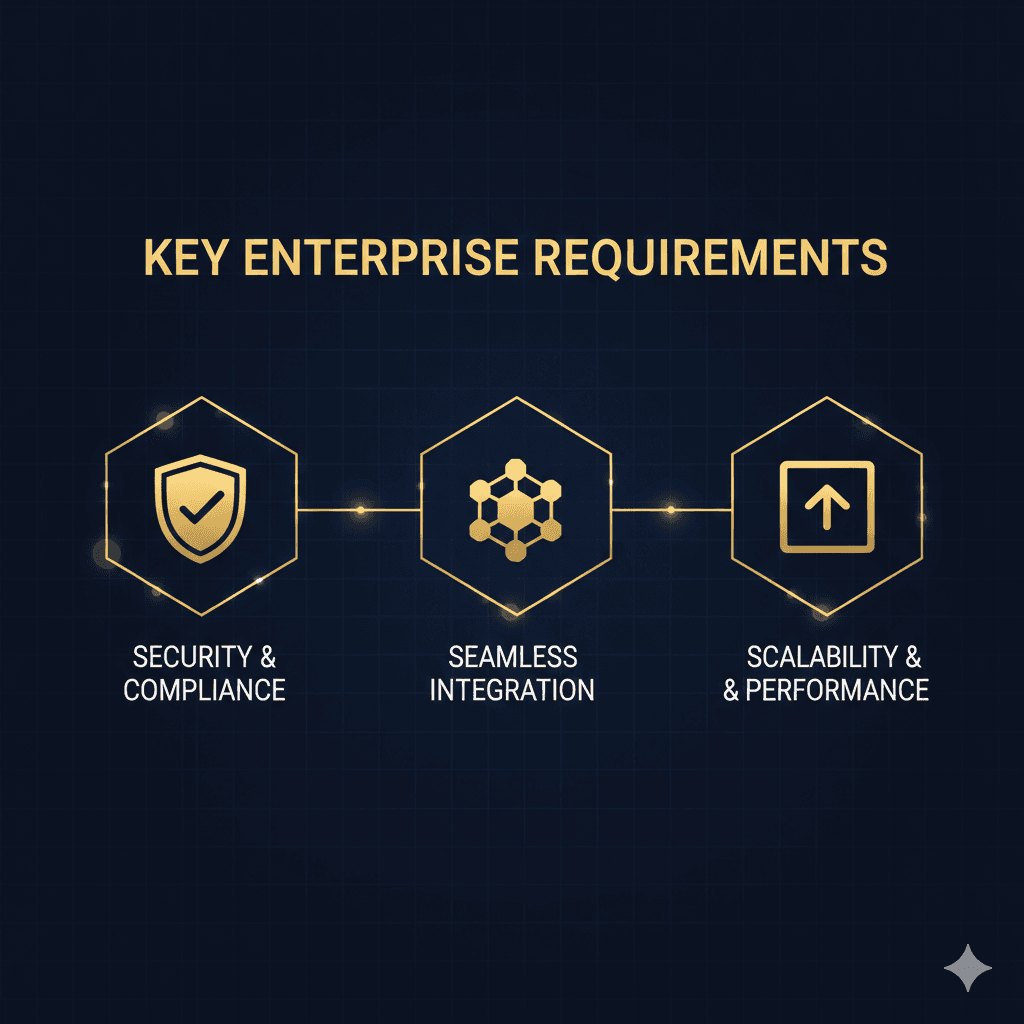
Trillet also keeps calls professional and compliant. Opt-outs are handled automatically, scripts adjust dynamically to match your brand voice, and every conversation is logged accurately. For regulated industries, that’s peace of mind alongside speed and efficiency.
Scale without stress With Trillet, offices can manage 2–3 times the call volume without adding staff. Peak-hour bottlenecks disappear. Client wait times drop. Every call is captured, routed, and acted on immediately. The AI doesn’t replace humans—it frees your team to focus on the work only humans can do while making sure no opportunity slips through the cracks.
The front desk, reimagined Companies using AI receptionists see results fast: faster response times, higher customer satisfaction, and less lost revenue. It’s not about replacing people—it’s about transforming the front desk into a reliable, scalable, always-on hub for customer engagement.
For offices ready to stop missing calls, streamline operations, and deliver the instant service clients expect, Trillet AI is the next-generation receptionist that never clocks out. Keep your business running smoothly—upgrade your front desk at trillet.ai.